
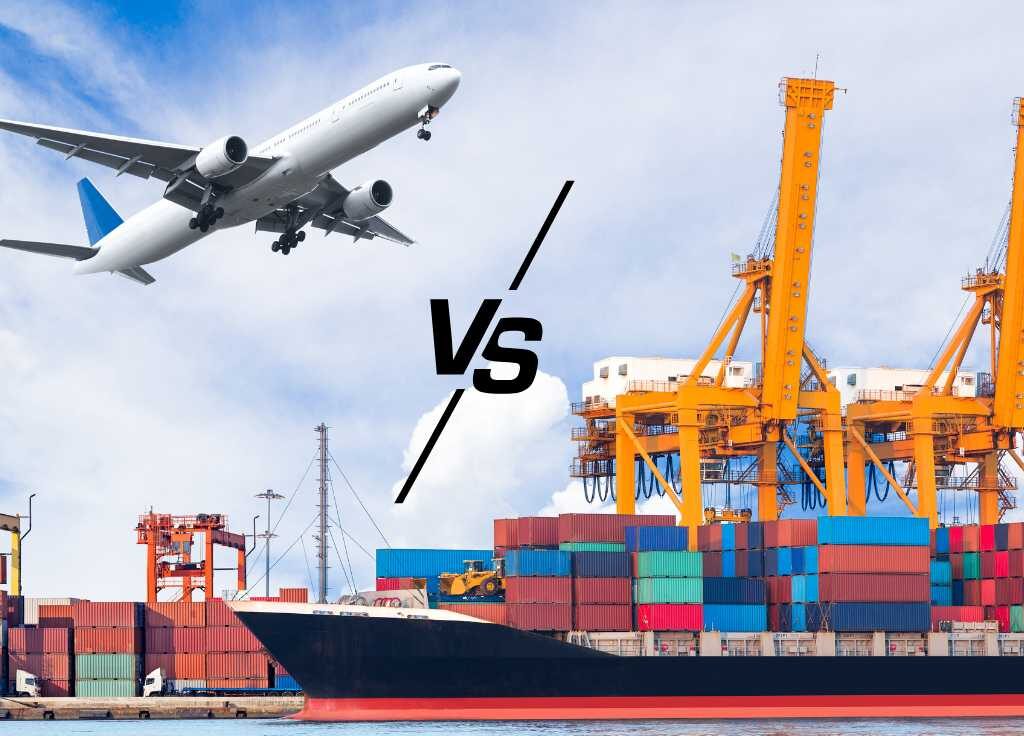
In global trade, the choice between air freight and sea freight is one of the most important logistics decisions any company must make. Each mode of transportation offers unique benefits, costs, and delivery times that directly impact supply chains. As an experienced Movizy third-party logistics provider, we understand that businesses require a comprehensive evaluation of both methods to optimize efficiency and profitability.
Understanding Air Freight in Global Trade
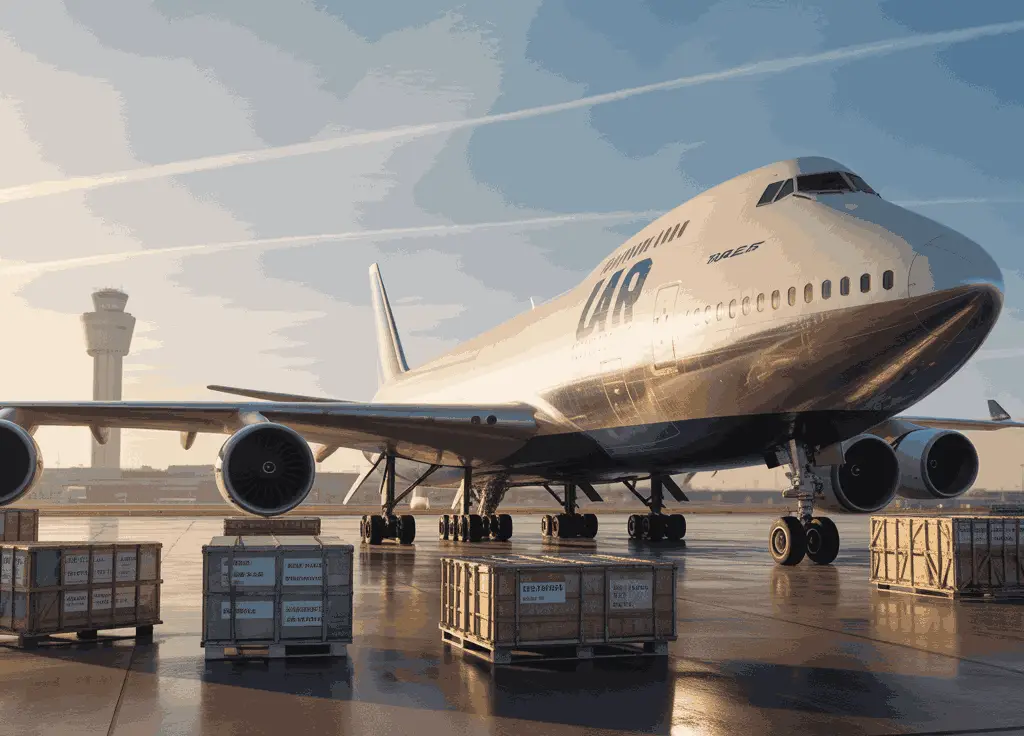
Air freight refers to the transportation of goods via aircraft. It is the preferred solution for businesses requiring express logistics, speed, and reliability. With major cargo hubs in Delhi, Mumbai, and Bengaluru, international air freight plays a crucial role in supporting India’s exports and imports.
Advantages of Air Freight
- Speed and Efficiency: Air freight is unmatched in delivery speed, often completing shipments within days compared to weeks by sea.
- High Security: Airports maintain strict cargo handling protocols, reducing risks of theft or damage.
- Reliable Schedules: Airlines typically maintain frequent and consistent schedules, ensuring time-sensitive deliveries.
- Global Reach: Air freight makes it easier to access remote or landlocked regions, ensuring even the most difficult supply chains remain connected.
Limitations of Air Freight
- Higher Costs: Air freight is significantly more expensive due to fuel and handling charges.
- Limited Cargo Size: Aircraft capacity restricts the shipment of oversized or heavy goods.
- Environmental Impact: Air transport produces higher carbon emissions compared to sea freight.
Exploring Sea Freight for International Trade
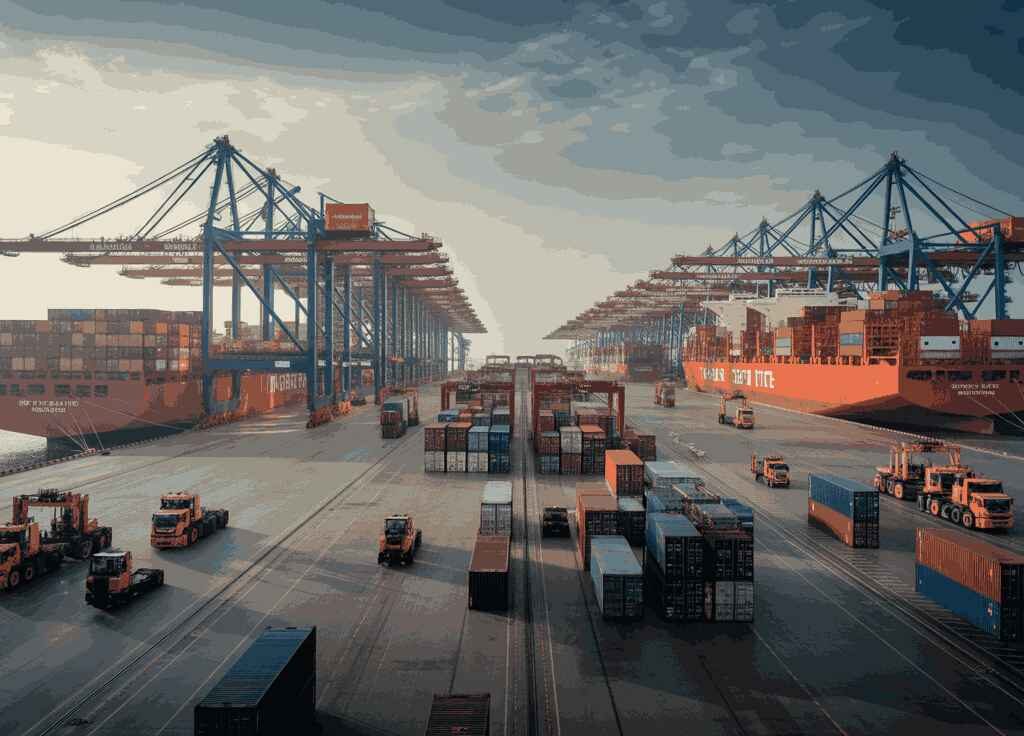
Sea freight is the transportation of goods by ocean vessels and is the backbone of global trade, handling nearly 90% of international shipments. Ports such as Chennai, Kolkata, and Visakhapatnam serve as major maritime gateways for Indian businesses.
Advantages of Sea Freight
- Cost-Effective for Bulk Cargo: Shipping large volumes by sea is far more affordable compared to air.
- Capacity for Oversized Goods: Sea freight accommodates heavy machinery, automobiles, and bulk commodities.
- Sustainable Transport: Per unit of cargo, sea freight has a lower environmental footprint than air.
- Flexible Solutions: Options such as Full Container Load (FCL) and Less than Container Load (LCL) provide businesses with flexibility in costs and capacity.
Limitations of Sea Freight
- Longer Transit Times: Shipments can take weeks, making sea freight unsuitable for urgent deliveries.
- Weather-Related Delays: Ocean conditions may cause disruptions.
- Complex Documentation: Customs procedures and port regulations often make sea freight more complex.
Air Freight vs Sea Freight: A Comparative Analysis
| Factor | Air Freight | Sea Freight |
|---|---|---|
| Speed | Fastest mode, 1–7 days | Slower, 15–40 days |
| Cost | Higher per unit | Lower per unit, ideal for bulk goods |
| Capacity | Limited cargo size | Large volumes, oversized cargo accepted |
| Reliability | High schedule reliability | Subject to port congestion and weather delays |
| Best For | Urgent, perishable, or high-value goods | Non-urgent, heavy, or bulk shipments |
When to Choose Air Freight for Your Business
Businesses should opt for air freight when:
- Delivering high-value items such as electronics, luxury goods, or pharmaceuticals.
- Ensuring express logistics for time-sensitive products.
- Serving customers in markets that demand rapid fulfillment such as Sahakara Nagar , Kanakapura and Mysore
- Transporting lightweight cargo where speed outweighs cost considerations.
When to Choose Sea Freight for Your Business
Sea freight is the right solution when:
- Moving bulk commodities like raw materials, automotive parts, or consumer goods.
- Cost is a higher priority than delivery time.
- Businesses need to ship oversized equipment or heavy machinery.
- Companies operate in coastal cities such as Mumbai or Chennai, where port access is readily available.
The Role of Freight Forwarding Companies in Air and Sea Freight
Partnering with an experienced forwarding company simplifies the complexity of international logistics. A reliable third-party logistics provider ensures:
- Route optimization to balance cost and time.
- Customs clearance support for faster processing.
- Insurance and compliance management for risk reduction.
- Integrated solutions that combine air freight and sea freight for hybrid strategies.
By leveraging both air and sea networks, businesses can build a robust supply chain that adapts to demand fluctuations.
Hybrid Logistics: Combining Air and Sea Freight
Some companies maximize efficiency through a combination of air freight and sea freight. For example:
- Shipments may begin by sea to reduce costs, then be transferred via air freight for faster final delivery.
- Businesses can divide cargo between modes depending on urgency and budget.
- This model is particularly effective for fast-moving consumer goods and seasonal demand peaks in cities like Pune or Jaipur.
How to Decide Between Air and Sea Freight
When evaluating the right option, businesses should consider:
- Product Characteristics: Weight, size, and fragility.
- Delivery Timelines: How urgent the shipment is.
- Cost Constraints: Budget allocations for logistics.
- Sustainability Goals: Environmental policies of the business.
- Market Reach: Destination infrastructure availability.
A well-informed decision, supported by a reliable third-party logistics provider, ensures that your supply chain remains both cost-effective and efficient.
Conclusion
Choosing between air freight and sea freight is a strategic decision that depends on the nature of your cargo, timelines, and budget. While air freight offers unmatched speed and reliability, sea freight provides a cost-efficient and sustainable solution for large shipments. Partnering with an experienced forwarding company or third-party logistics provider ensures businesses can navigate these choices with precision, combining the strengths of both modes for maximum efficiency.