
Reverse logistics in Sahakar Nagar is transforming how local businesses handle returns, recycling, and sustainability. Discover why reverse logistics companies are a game-changer for small and medium enterprises.
Introduction to Reverse Logistics in Sahakar Nagar
Sahakar Nagar, a rapidly developing suburb in Bengaluru, is not just a residential hub anymore. With growing commercial activity and proximity to key transport networks, this area is becoming a focal point for reverse logistics companies. Local businesses — from small retailers to medium-sized enterprises — are embracing reverse logistics as a tool to boost efficiency, reduce waste, and strengthen customer trust.
The need for reverse logistics is especially evident in a bustling community like Sahakar Nagar, where demand for e-commerce deliveries, return policies, and sustainable operations is higher than ever before.
Why Reverse Logistics Matters for Local Businesses
Reverse logistics is no longer a luxury — it’s a necessity for any business that wants to survive in competitive markets like Sahakar Nagar. With increasing online shopping, flexible return policies, and consumer expectations for eco-friendly practices, small and medium businesses can’t ignore the role of reverse logistics.
The Rise of E-Commerce in Sahakar Nagar
The growth of e-commerce has made reverse logistics crucial. Local shops are increasingly using online platforms to reach customers, but with this comes the challenge of product returns. Reverse logistics provides the solution by ensuring goods can flow back efficiently.
Growing Demand for Sustainable Practices
Customers in Sahakar Nagar are environmentally conscious. Businesses that partner with reverse logistics companies can demonstrate a commitment to recycling, waste reduction, and green operations — which improves brand loyalty.
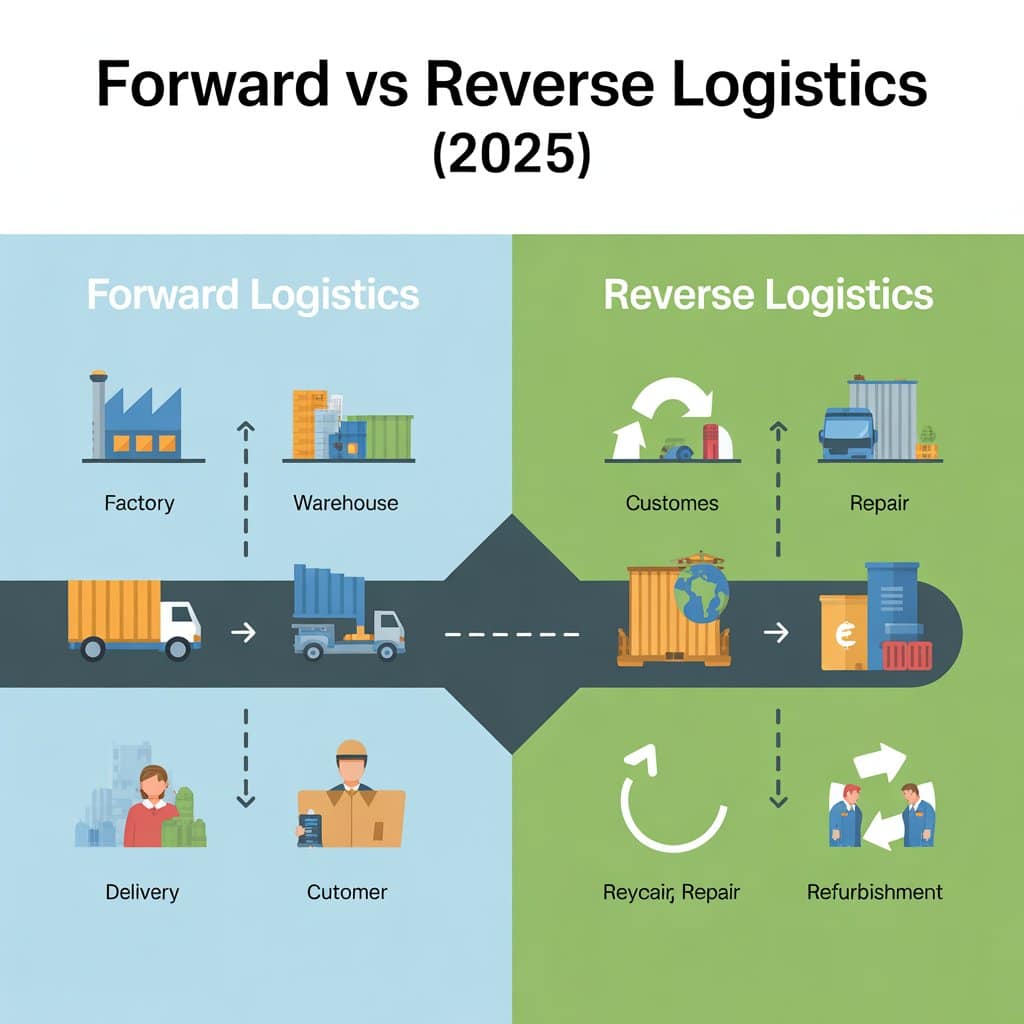
Difference Between Forward and Reverse Logistics
Understanding the distinction between forward logistics and reverse logistics helps Sahakar Nagar businesses build robust supply chain models.
Key Characteristics of Forward Logistics
- Movement of products from manufacturer to end consumer.
- Predictable, demand-driven operations.
- Focus on generating revenue through sales.
- Heavy reliance on freight forwarding service providers.
Essential Features of Reverse Logistics
- Flow of goods from customer back to seller or manufacturer.
- Unpredictable and volume-dependent on returns.
- Focus on sustainability, recycling, and customer retention.
- Strong collaboration with warehousing and logistics providers.
Role of Reverse Logistics Companies in Sahakar Nagar
Reverse logistics companies bridge the gap between consumers and sellers by creating efficient systems for handling returns.
Partnerships with Freight Forwarding Services
Businesses in Sahakar Nagar leverage freight forwarding services to handle both outbound deliveries and inbound returns. These partnerships ensure faster international trade and smoother returns management.
Integration with Warehousing and Logistics
Local warehouses near Sahakar Nagar are evolving to handle not just storage but also sorting, recycling, and refurbishing returned products. This integration is key for managing returns efficiently.
Benefits of Reverse Logistics for Local Businesses
Cost Reduction and Profit Recovery
Returned items can be refurbished and resold, helping businesses recover value instead of writing off losses.
Customer Satisfaction and Loyalty
Hassle-free return policies strengthen trust. In Sahakar Nagar, where word-of-mouth is powerful, businesses offering smooth reverse logistics gain a competitive edge.
Environmental Impact and Compliance
Reverse logistics ensures safe recycling and disposal. Businesses in Sahakar Nagar can meet both customer expectations and regulatory requirements while building eco-friendly reputations.
Challenges in Implementing Reverse Logistics
Infrastructure Limitations in Sahakar Nagar
While the suburb is growing, warehousing and large-scale logistics infrastructure is still developing. This makes it difficult for smaller businesses to manage large return volumes.
Regulatory and Compliance Issues
Handling returned electronics, perishables, or medical goods requires strict compliance with government norms — an area where many businesses still struggle.
Case Study: How Sahakar Nagar SMEs Use Reverse Logistics
Example 1: Retail Businesses
Apparel and footwear retailers manage frequent returns through reverse logistics companies, ensuring products can be resold quickly.
Example 2: Electronics and IT Services
Defective or outdated electronics are collected, repaired, and reintroduced to the market, minimizing waste.
Example 3: Food and Perishables
Restaurants and food suppliers in Sahakar Nagar use reverse logistics for packaging returns and waste recycling.
Reverse Logistics Trends Impacting Sahakar Nagar in 2025
AI and Automation in Returns Management
Artificial intelligence is helping businesses predict return volumes, streamline warehousing, and automate customer communication.
Green Supply Chain Initiatives
Reverse logistics companies are leading green initiatives in Sahakar Nagar by promoting eco-friendly packaging and sustainable return cycles.
Circular Economy Integration
Local businesses are shifting towards circular models, where products are designed with recycling and reusability in mind.
FAQs
1. What is reverse logistics in simple terms?
It’s the process of moving goods back from the customer to the seller for returns, recycling, or disposal.
2. Why is reverse logistics important for Sahakar Nagar businesses?
Because it helps reduce costs, improves customer trust, and supports sustainability.
3. How do freight forwarding services support reverse logistics?
They manage the transportation of returns, ensuring faster turnaround and compliance with regulations.
4. Can small businesses in Sahakar Nagar afford reverse logistics?
Yes, by partnering with reverse logistics companies and using shared warehousing and logistics facilities, even small businesses can implement cost-effective systems.
5. What role does warehousing play in reverse logistics?
Warehouses sort, store, refurbish, and recycle returned products, enabling businesses to recover maximum value.
6. Is reverse logistics eco-friendly?
Absolutely. It minimizes waste, encourages recycling, and reduces the carbon footprint of businesses.
Conclusion
Reverse logistics is reshaping how Sahakar Nagar businesses operate. From cutting costs and reducing waste to improving customer loyalty, reverse logistics companies are truly a game-changer. By partnering with freight forwarding services and strengthening warehousing and logistics, local enterprises can position themselves as future-ready, sustainable businesses in 2025 and beyond.