
In the evolving world of global trade, logistics and supply chain management form the backbone of international commerce. While most businesses focus on forward logistics, which deals with moving products from manufacturers to customers, the rise of reverse logistics companies has transformed the way organizations handle returns, recycling, and sustainability. For every freight forwarding service, understanding both forward and reverse logistics is essential to optimize efficiency, reduce costs, and meet customer expectations.
What is Forward Logistics?
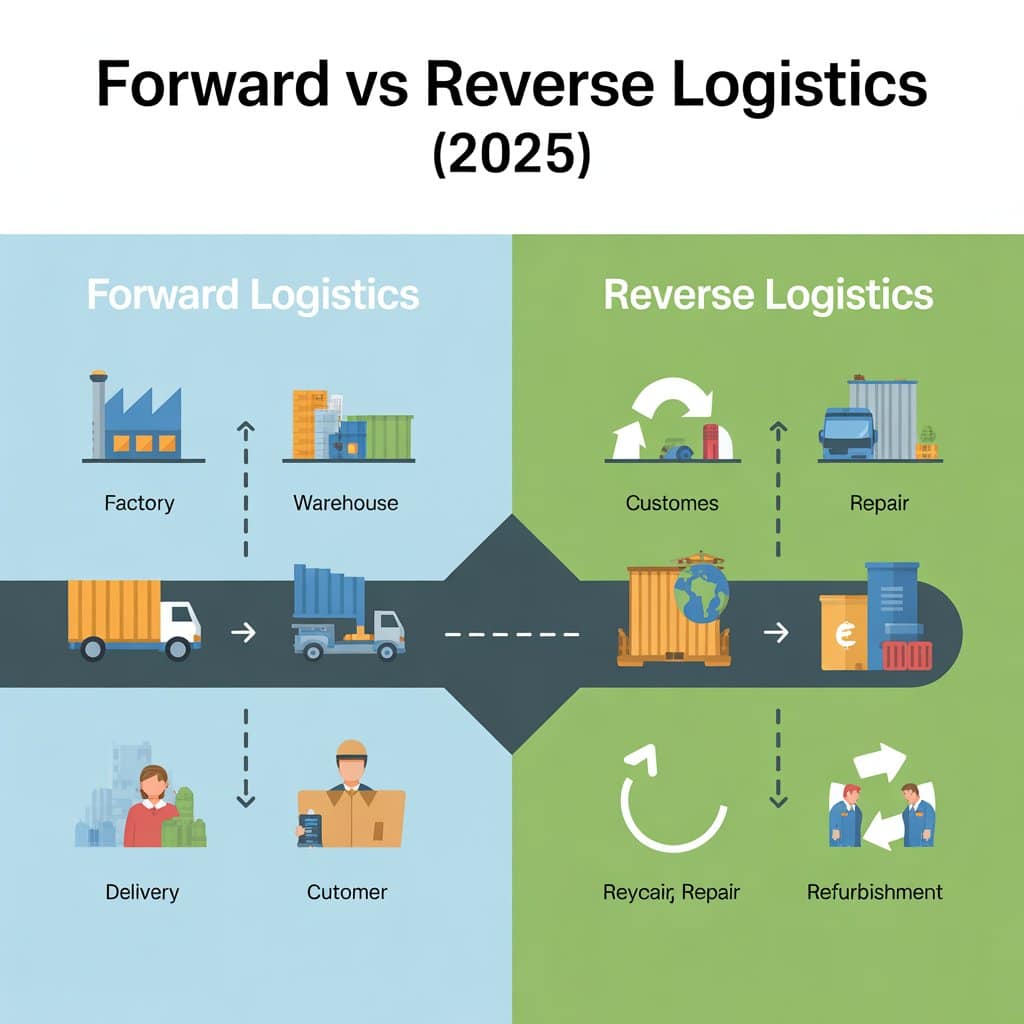
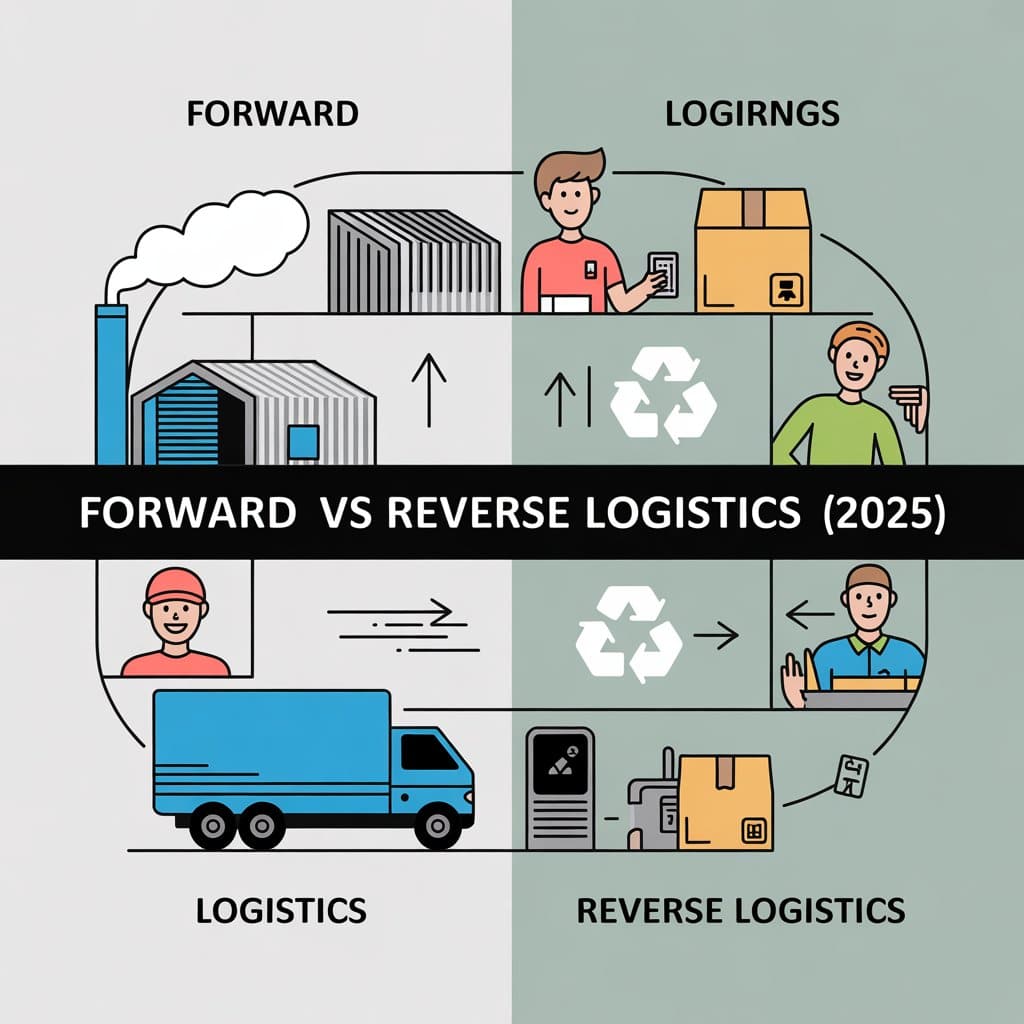
Forward logistics refers to the traditional flow of goods from suppliers and manufacturers to the end consumer. It includes every stage of supply chain management such as:
- Sourcing and procurement of raw materials.
- Transportation and warehousing of finished goods.
- Order fulfillment and distribution to retailers or direct customers.
- After-sales support to ensure smooth customer experience.
Forward logistics is predictable, structured, and demand-driven. For freight forwarding companies, it means coordinating shipments, ensuring proper documentation, and using warehousing and logistics services to manage large-scale product movement. For example, exporters in Mysore often rely on forward logistics to move silk, sandalwood products, or engineering components to ports or airports, ensuring that product quality and packaging meet international norms.
What is Reverse Logistics?
Reverse logistics deals with the process of moving goods back from the consumer to the seller, manufacturer, or distributor. It is an essential part of modern supply chains, especially in the age of e-commerce and sustainability. Reverse logistics covers:
- Returns management for defective or unwanted products.
- Recycling and reusing materials to reduce waste.
- Refurbishing goods for resale or donation.
- Safe disposal of hazardous items following compliance regulations.
Reverse logistics companies play a critical role in creating a closed-loop supply chain that minimizes costs and maximizes resource utilization. Unlike forward logistics, reverse logistics is unpredictable, as the volume and timing of returns are harder to forecast.
Key Differences Between Forward and Reverse Logistics
| Factor | Forward Logistics | Reverse Logistics |
|---|---|---|
| Direction of Flow | From manufacturer to consumer | From consumer back to seller, distributor, or manufacturer |
| Goal | Deliver products quickly and efficiently | Manage returns, recycling, and reuse while reducing costs |
| Predictability | Highly structured and demand-driven | Unpredictable, dependent on customer returns and market conditions |
| Value Creation | Generates revenue through product sales | Reduces losses, creates sustainability value, and strengthens brand loyalty |
| Services Involved | Freight forwarding, warehousing and logistics, distribution | Return shipping, product inspection, recycling, refurbishment, waste management |
For freight forwarding service providers, understanding these differences is crucial. Both systems require distinct strategies but must be integrated into a unified supply chain model.
The Role of Freight Forwarding Services in Both Systems
A freight forwarding service is central to ensuring the smooth operation of both forward and reverse logistics. In forward logistics, freight forwarders manage the global transportation of goods using air, sea, and road networks. They handle customs clearance, ensure timely delivery, and provide cost-effective solutions for exporters and importers.
In reverse logistics, freight forwarders support companies by:
- Coordinating the return of defective goods from international markets.
- Offering consolidated shipments for returned products to reduce costs.
- Partnering with reverse logistics companies to streamline cross-border returns.
- Providing specialized services for hazardous goods disposal and recycling.
By integrating forward and reverse logistics operations, freight forwarding companies can deliver comprehensive end-to-end solutions for global businesses.
Warehousing and Logistics in Reverse and Forward Supply Chains
Efficient warehousing and logistics are vital for both forward and reverse systems. In forward logistics, warehouses are designed to store, pick, pack, and dispatch goods. Modern facilities use automation, robotics, and AI to speed up order fulfillment.
In reverse logistics, warehouses are equally important but serve different functions, including:
- Sorting returned products to identify items fit for resale.
- Repair and refurbishing centers to restore returned goods.
- Segregation of recyclable materials to support sustainability.
- Secure storage for defective or hazardous items awaiting safe disposal.
For freight forwarding companies, integrating warehousing solutions for both logistics streams ensures faster turnaround times and reduces costs associated with product returns.
Local Place Integrations: Sahakara Nagar, Yelachenahalli, Kanakapura & Mysore
In order to ground our discussion in real geographies and logistical hubs, we take note of several places in Karnataka—Sahakara Nagar, Yelachenahalli, Kanakapura, and Mysore. These places exemplify how infrastructure, connectivity, and local dynamics affect both forward and reverse logistics.
- Mysore (Mysuru) is a major city in Karnataka with thriving industries in textiles, sandalwood, crafts, tourism, and engineering. Freight forwarding services in Mysore depend heavily on good warehousing and logistics to connect SMEs to ports and air cargo routes. Reverse logistics in Mysore includes managing returns of handicrafts, defective machinery parts, and recycling textile waste.
- Sahakara Nagar is a residential suburb in Bengaluru. Sahakara Nagar is accessible via NH 7 (now part of NH 44) and lies within the Bruhat Bengaluru Mahanagara Palike (BBMP) limits. Because of its proximity to major industrial and tech zones in north Bengaluru, freight forwarding companies operating from Sahakara Nagar can optimize last-mile delivery and collection points for both forward shipments and returns. Warehousing and logistics services in nearby suburbs help reduce transportation time for goods sourced or returned.
- Yelachenahalli, located off Kanakapura Road in South Bengaluru, has transformed from a village into a well-developed suburban area with high-rise buildings, malls, and increasing residential density.The Yelachenahalli Metro Station on the Green Line of Namma Metro further improves connectivity for logistics operations—especially in urban, last-mile segments for both forward deliveries and reverse pickups.
- Kanakapura is a taluk and city in Bengaluru South District. It is connected by Kanakapura Road, which is one of the narrower but heavily used roads linking peripheral regions to central Bengaluru. For freight forwarding services, connectivity via Kanakapura Road matters: whether moving goods outwards (forward logistics) or collecting returns from suburban consumers (reverse logistics), traffic congestion and road conditions can significantly affect cost and timeliness.
These localities illustrate how warehousing and logistics services must adapt to urban growth, metro connectivity, road infrastructure, and residential density when designing efficient forward and reverse logistics systems.
Why Reverse Logistics is Growing in Importance
The global supply chain landscape is changing. Reverse logistics companies are now indispensable due to:
- E-commerce expansion – With rising online sales, returns have become a major part of the business.
- Sustainability goals – Businesses must recycle and reduce waste to meet international compliance.
- Customer expectations – Consumers demand hassle-free returns, and companies must deliver this to remain competitive.
- Global trade compliance – Reverse logistics ensures safe disposal of items according to local and international regulations.
In places like Mysore, Sahakara Nagar, or Yelachenahalli, customers expect quick returns, and logistical service providers that can offer reverse logistics solutions in suburban routes or via metro-connected hubs will gain competitive advantages.
Challenges in Managing Reverse Logistics
While reverse logistics adds value, it also comes with challenges:
- Unpredictable returns: Unlike forward logistics, demand forecasting is difficult.
- Higher costs: Transportation, inspection, and refurbishing often exceed expected budgets.
- Complex regulations: Handling hazardous or restricted items requires compliance with multiple authorities.
- Inventory mismanagement: Returned goods can overwhelm warehouses if not managed properly.
- Infrastructure and connectivity gaps: In places farther from urban centers—such as outskirts of Kanakapura, less-developed industrial outskirts near Mysore or peripheral Bengaluru suburbs—logistics costs increase and transit times degrade.
Integrating Forward and Reverse Logistics: The Future of Supply Chains
The future lies in combining forward and reverse logistics into a single, efficient ecosystem. This integration helps companies:
- Reduce overall costs by optimizing shared transport networks.
- Improve customer experience by streamlining return processes.
- Enhance sustainability through recycling and waste reduction.
- Build resilience against global supply chain disruptions.
Freight forwarding companies that invest in both warehousing and logistics for forward and reverse supply chains will gain a competitive advantage. They will not only ensure efficient product delivery but also manage returns, recycling, and customer service more effectively.
In local contexts—such as logistics hubs in Mysore, or metro-accessed suburbs like Yelachenahalli and Sahakara Nagar—leveraging existing infrastructure (roads, metro, warehouses) will reduce turnaround times and costs significantly.
Conclusion
The comparison between reverse logistics and forward logistics highlights their complementary nature in global trade. While forward logistics focuses on moving products to customers, reverse logistics ensures sustainability and long-term customer satisfaction.
For freight forwarding service providers, mastering both systems is no longer optional but essential. By partnering with reliable reverse logistics companies and optimizing warehousing and logistics, businesses in Mysore, along Kanakapura Road, or in suburbs like Sahakara Nagar and Yelachenahalli can achieve global success with a resilient, customer-centric supply chain
Frequently Asked Questions (FAQs)
1. What is the main difference between forward logistics and reverse logistics?
Forward logistics is the process of moving products from manufacturers to customers, while reverse logistics focuses on moving goods back from customers to sellers for returns, recycling, or disposal.
2. Why are reverse logistics companies important today?
Reverse logistics companies are essential because they help businesses manage product returns, recycling, and refurbishing. They also support sustainability efforts, reduce waste, and improve customer satisfaction.
3. How do freight forwarding services support reverse logistics?
Freight forwarding services manage the transportation of returned goods across borders, consolidate shipments, ensure compliance with customs regulations, and work closely with reverse logistics companies to streamline the entire process.
4. What role does warehousing and logistics play in reverse logistics?
In reverse logistics, warehouses act as sorting and refurbishing centers. They handle returned products, separate recyclable items, store defective goods securely, and manage inspection before products are reintroduced into the supply chain.
5. Why is reverse logistics becoming more important in e-commerce?
With the rise of online shopping, returns have increased significantly. Customers expect easy return processes, and reverse logistics ensures smooth handling, quick refunds or replacements, and better customer loyalty.
6. Can reverse logistics help businesses save money?
Yes. Although managing returns can be costly, reverse logistics helps businesses recover value by refurbishing and reselling products, recycling materials, and reducing disposal costs.
7. What challenges do companies face in reverse logistics?
Some challenges include unpredictable return volumes, high transportation costs, regulatory complexities, and inventory management issues in warehouses.
8. How can businesses integrate forward and reverse logistics?
Businesses can integrate both systems by partnering with freight forwarding companies that offer comprehensive solutions, investing in technology for better tracking, and using shared warehousing and transport networks.